<?xml version="1.0" encoding="utf-8"?>
<feed xmlns="http://www.w3.org/2005/Atom" xmlns:media="http://search.yahoo.com/mrss/">
    <title>Provadivita</title>
    <link href="https://provadivita.com/feed.xml" rel="self" />
    <link href="https://provadivita.com" />
    <updated>2026-09-23T17:23:43+08:00</updated>
    <author>
        <name>Provadivita</name>
    </author>
    <id>https://provadivita.com</id>

    <entry>
        <title>Provadivita Biometric Identification and Verification for High-Value Transactions</title>
        <author>
            <name>Provadivita</name>
        </author>
        <link href="https://provadivita.com/provadivita-biometric-identification-and-verification-for-high-value-transactions/"/>
        <id>https://provadivita.com/provadivita-biometric-identification-and-verification-for-high-value-transactions/</id>
        <media:content url="https://provadivita.com/media/posts/634/Provadivita-Biometric-Identification-and-Verification-for-High-Value-Transactions.png" medium="image" />
            <category term="Fraud Detection"/>
            <category term="Biometric Identification"/>
            <category term="Biometric Authentication"/>

        <updated>2026-07-21T19:39:54+08:00</updated>
            <summary type="html">
                <![CDATA[
                        <img src="https://provadivita.com/media/posts/634/Provadivita-Biometric-Identification-and-Verification-for-High-Value-Transactions.png" alt="Provadivita Biometric Identification and Verification for High-Value Transactions" />
                    Provadivita Biometric Identification and Verification for High-Value Transactions In an era characterized by rapid technological advancement and rising concerns over security, biometric identification and verification systems have emerged as pivotal tools for safeguarding high-value transactions. Among various biometric solutions, the Provadivita framework stands out due&hellip;
                ]]>
            </summary>
        <content type="html">
            <![CDATA[
                    <p><img src="https://provadivita.com/media/posts/634/Provadivita-Biometric-Identification-and-Verification-for-High-Value-Transactions.png" class="type:primaryImage" alt="Provadivita Biometric Identification and Verification for High-Value Transactions" /></p>
                <h1>Provadivita Biometric Identification and Verification for High-Value Transactions</h1>
<h2>In an era characterized by rapid technological advancement and rising concerns over security, biometric identification and verification systems have emerged as pivotal tools for safeguarding high-value transactions.</h2>
<p>Among various biometric solutions, the Provadivita framework stands out due to its unique approach to enhancing security, efficiency, and user convenience. This overview aims to provide an in-depth exploration of Provadivita's biometric identification and verification mechanisms, their applications in high-value transactions, and the benefits and challenges associated with their implementation.</p>
<h4>Understanding Biometric Identification and Verification</h4>
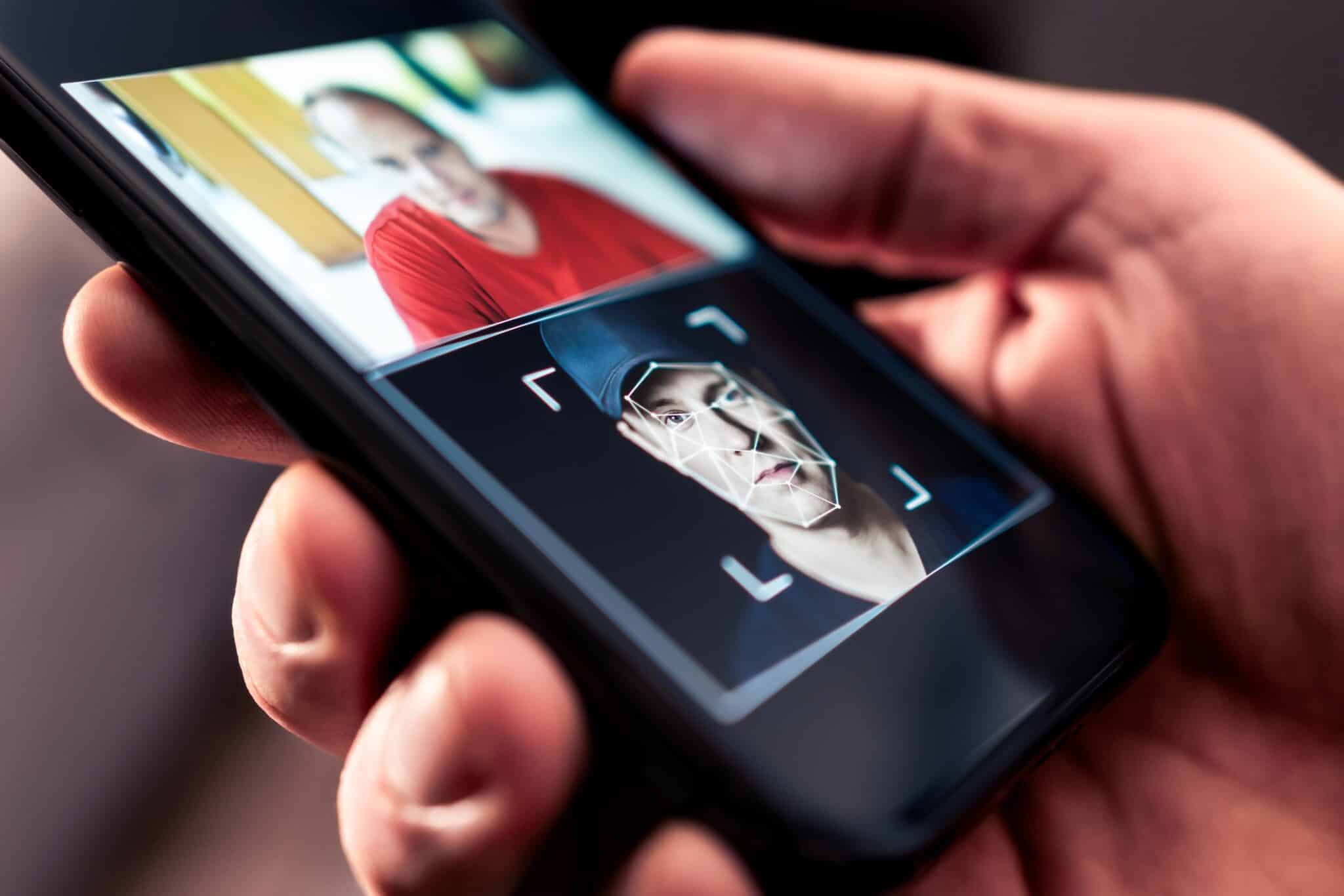
<p>Biometric identification is the process of recognizing individuals based on their unique biological characteristics. These characteristics can include fingerprints, facial recognition, iris patterns, voice recognition, and even behavioral traits such as typing patterns or gait analysis. Biometric verification, on the other hand, entails confirming that a person is indeed who they claim to be, generally by comparing their biometric data against a stored profile.</p>
<p>The advantages of biometric systems over traditional identification methods, such as passwords or PINs, are manifold. Biometric traits are inherently unique to individuals and more difficult to replicate or steal compared to passwords or cards. This intrinsic security makes biometrics particularly valuable in high-stakes environments, such as financial institutions, healthcare settings, and luxury goods transactions, where the risk of fraud can have significant financial repercussions.</p>
<h4>The Provadivita Framework</h4>
<p>The Provadivita biometric identification and verification system is a comprehensive solution designed to cater specifically to the demands of high-value transactions. This framework integrates advanced biometric technologies with a robust infrastructure for data capture, processing, and analysis. Its architecture involves several key components:</p>
<ol>
<li>
<p><strong>Data Capture</strong>: Provadivita employs state-of-the-art biometric sensors capable of capturing high-quality biometric data, be it a fingerprint scan, facial image, or voice sample. The quality of data capture is crucial, as it directly affects the accuracy of identification and verification.</p>
</li>
<li>
<p><strong>Data Processing</strong>: Once the biometric data is captured, it undergoes sophisticated processing algorithms that convert the raw input into a digital template. These templates are much smaller than the original data and can be securely stored and transmitted.</p>
</li>
<li>
<p><strong>Blockchain Management</strong>: Stored biometric templates are managed within secure blockchain that utilize encryption and other security measures to safeguard sensitive information. Access to these blockchain is strictly controlled and monitored.</p>
</li>
<li>
<p><strong>Matching Algorithms</strong>: When a user attempts a transaction, their biometric data is captured afresh and compared against the database using advanced matching algorithms that consider various factors to enhance accuracy and speed.</p>
</li>
<li>
<p><strong>User Interface</strong>: Provadivita emphasizes user-centric design in its interfaces, ensuring that users can seamlessly integrate biometric verification into their transaction processes without experiencing friction or significant delays.</p>
</li>
<li>
<p><strong>Audit and Tracking</strong>: The framework includes robust auditing features that log every transaction, allowing institutions to track and analyze user behaviors and anomalies that may signal fraud.</p>
</li>
</ol>
<h4>Applications in High-Value Transactions</h4>
<p>Provadivita's biometric identification and verification solutions can be leveraged in various sectors dealing with high-value transactions, such as finance, e-commerce, real estate, and luxury retail.</p>
<ol>
<li>
<p><strong>Financial Institutions</strong>: Banks and investment firms face constant threats from fraud and identity theft. Provadivita can provide a two-factor authentication system by combining biometric verification with traditional methods. For instance, a user could be prompted to authenticate a large transfer with a fingerprint or facial recognition, reducing the chance of unauthorized access.</p>
</li>
<li>
<p><strong>E-commerce</strong>: As online shopping continues to proliferate, ensuring secure transactions has become paramount. Provadivita allows for quick biometric verification, enabling seamless transactions while enhancing security. Shoppers could simply use facial recognition on their devices to approve high-ticket purchases.</p>
</li>
<li>
<p><strong>Real Estate Transactions</strong>: The sale and purchase of real estate often involve substantial sums of money and extensive paperwork. Implementing Provadivita at critical checkpoints can streamline the verification of identities in transactions and ensure the legitimate ownership of properties.</p>
</li>
<li>
<p><strong>Luxury Retail</strong>: High-value retail transactions are increasingly susceptible to fraud. Retail stores can deploy biometric systems to identify returning customers or to verify identities for expensive items, thereby mitigating losses due to fraudulent purchases.</p>
</li>
</ol>
<h4>Benefits of Provadivita Biometric Systems</h4>
<p>The implementation of the Provadivita biometric identification and verification system offers numerous benefits including:</p>
<ol>
<li>
<p><strong>Enhanced Security</strong>: Unlike passwords, which can be forgotten or stolen, biometric traits are unique and immutable, providing an additional layer of security against fraud.</p>
</li>
<li>
<p><strong>User Convenience</strong>: Biometric authentication eliminates the need for remembering complex passwords or PINs, creating a more user-friendly experience, particularly in fast-paced environments.</p>
</li>
<li>
<p><strong>Speed and Efficiency</strong>: Biometric verification processes are typically quicker than traditional methods. As users no longer have to input information manually, transactions can be executed in seconds.</p>
</li>
<li>
<p><strong>Reduced Fraud</strong>: The specificity of biometrics helps mitigate the risk of identity theft and fraudulent activities, ensuring that only authorized users can complete high-value transactions.</p>
</li>
<li>
<p><strong>Cost Effectiveness</strong>: While initial deployment may be costly, biometric systems can ultimately reduce the costs associated with fraud and transaction errors over time.</p>
</li>
</ol>
<h4>Challenges and Considerations</h4>
<p>Despite the significant advantages, the implementation of <a href="https://provadivita.com/" target="_blank" rel="noopener">Provadivita biometric solutions</a> is not without challenges. Privacy concerns are paramount, as the storage of biometric data raises questions about data protection and misuse. Institutions must ensure compliance with regulations such as GDPR and establish transparent policies for data handling.</p>
<p>Furthermore, technical challenges such as the need for advanced hardware, risk of false positives/negatives, and system integration can complicate the deployment of biometric solutions. Organizations must invest in training and adapting their staff to work effectively with these systems.</p>
<p>Finally, societal factors, including varying levels of acceptance of biometric systems among consumers, may influence the widespread adoption of these technologies. It is essential for organizations to engage users and communicate the security benefits effectively to encourage acceptance and build trust.</p>
<h4>Conclusion</h4>
<p>In summary, the Provadivita <a href="https://provadivita.com/biometric-identification/" target="_blank" rel="noopener">biometric identification</a> and verification system represents a significant advancement in securing high-value transactions. By leveraging unique biological traits, organizations can enhance security, improve efficiency, and minimize risk in sectors where financial stakes are substantial. However, with these advantages come challenges that necessitate careful consideration and planning to overcome. By addressing concerns around privacy, integrating technology seamlessly, and educating users, Provadivita can revolutionize the way<a href="https://medium.com/@provadivita/provadivita-biometric-identification-and-verification-for-high-value-transactions-enhancing-569685177767" target="_blank" rel="noopener"> high-value transactions</a> are conducted in a rapidly changing digital landscape. Ultimately, as technology continues to evolve, the potential for biometric solutions in ensuring secure, efficient transactions will only grow, paving the way for a safer financial future.</p>
            ]]>
        </content>
    </entry>
    <entry>
        <title>Provadivita Biometric Technology: A Game Changer for Transportation Security</title>
        <author>
            <name>Provadivita</name>
        </author>
        <link href="https://provadivita.com/provadivita-biometric-technology-a-game-changer-for-transportation-security/"/>
        <id>https://provadivita.com/provadivita-biometric-technology-a-game-changer-for-transportation-security/</id>
        <media:content url="https://provadivita.com/media/posts/635/Provadivitas-biometric-identification-and-verification-solutions-provide-a-robust-and-reliable-means-of-securing-high-value-transactions.png" medium="image" />
            <category term="Fraud Detection"/>
            <category term="Biometric Identification"/>
            <category term="Biometric Authentication"/>

        <updated>2026-07-21T19:37:31+08:00</updated>
            <summary type="html">
                <![CDATA[
                        <img src="https://provadivita.com/media/posts/635/Provadivitas-biometric-identification-and-verification-solutions-provide-a-robust-and-reliable-means-of-securing-high-value-transactions.png" alt="Provadivita Biometric Technology: A Game Changer for Transportation Security" />
                    Provadivita Biometric Technology: A Game Changer for Transportation Security The need for enhanced security measures in various sectors has become increasingly critical, particularly in transportation. The advent of biometric technology has opened new avenues for innovations aimed at bolstering safety and streamlining processes. At the&hellip;
                ]]>
            </summary>
        <content type="html">
            <![CDATA[
                    <p><img src="https://provadivita.com/media/posts/635/Provadivitas-biometric-identification-and-verification-solutions-provide-a-robust-and-reliable-means-of-securing-high-value-transactions.png" class="type:primaryImage" alt="Provadivita Biometric Technology: A Game Changer for Transportation Security" /></p>
                <h1>Provadivita Biometric Technology: A Game Changer for Transportation Security</h1>
<h2>The need for enhanced security measures in various sectors has become increasingly critical, particularly in transportation.</h2>
<p>The advent of biometric technology has opened new avenues for innovations aimed at bolstering safety and streamlining processes. At the forefront of this revolution is <a href="https://provadivita.com/">Provadivita biometric technology</a>, which has emerged as a game changer in the realm of transportation security. Let's delve into the intricacies of Provadivita's biometric systems, their applications in transportation, and the profound impact they have on security protocols, efficiency, and passenger experience.</p>
<h4>Understanding Biometric Technology</h4>
<p>Biometric technology refers to the automated identification and verification of individuals based on their unique biological traits. This includes physical characteristics such as finger scans, facial features, iris patterns, and voice recognition, as well as behavioral traits like keystroke dynamics. The technology measures, analyzes, and matches these traits against a stored database to confirm an individual's identity. For the transportation sector, which encompasses air travel, rail systems, public transport, and even logistics, biometrics promises a reliable and efficient method to ensure safety and streamline operations.</p>
<h4>Provadivita's Approach to Biometric Security</h4>
<p>Provadivita stands out as a pioneer in the development of advanced biometric technologies. Their systems are engineered for robust security applications tailored specifically for the transportation sector. By integrating state-of-the-art algorithms and high-resolution sensors, Provadivita's technology enables real-time identification and verification of individuals, thus significantly reducing the risk of identity fraud and unauthorized access.</p>
<p>Provadivita employs a multi-modal biometric approach, where multiple biometric identifiers are utilized together to enhance accuracy and reliability. For instance, combining facial recognition with behavioral scanning ensures that even if one method fails due to poor image quality or environmental factors, the other can still transfer accurate identification. This redundancy is crucial in high-stakes environments like airports and train stations, where security threats must be mitigated swiftly and effectively.</p>
<h4>Enhancing Security Protocols</h4>
<p>The integration of Provadivita biometric technology has transformed traditional security protocols in transportation. Historically, security measures have often relied on physical identification methods, such as ID checks and documentation audits, which can be prone to human error and fraud. Provadivita's systems automate this process, allowing for rapid authentication that not only enhances security but also reduces congestion at checkpoints.</p>
<p>In airports, for instance, passengers can undergo biometric screening upon entering the terminal. A simple glance at a camera or a fingerprint scan can authenticate identity, ensuring that only verified individuals proceed to security and boarding areas. This not only minimizes the risk of malicious actors accessing secure areas but also mitigates wait times, enhancing the overall passenger experience.</p>
<h4>Increasing Efficiency and Passenger Experience</h4>
<p>The efficiency that Provadivita's technology offers is transformative. Biometric screening significantly cuts down the time spent in queues, which is a common pain point for travelers. By expediting identity verification, airlines and transportation providers can process passengers more effectively, reducing bottlenecks that often lead to delays and frustration.</p>
<p>Moreover, the seamless integration of biometric systems into existing transportation frameworks fosters an atmosphere of trust and safety. Passengers are more likely to feel secure when they know that advanced measures are in place to protect them. This leads not only to a better travel experience but also to increased consumer confidence in public transportation, ultimately making it a more attractive option for travelers.</p>
<h4>Addressing Privacy and Ethical Concerns</h4>
<p>While the benefits of Provadivita biometric technology are compelling, it is essential to address the associated privacy and ethical concerns. The collection and storage of biometric data are sensitive issues, as they involve personal information that must be protected from unauthorized access and misuse. To mitigate these concerns, Provadivita has implemented stringent data security measures, including encryption and robust access controls, to ensure that biometric data is safely retained and used solely for its intended purpose.</p>
<p>Additionally, transparency is key in establishing public trust. Provadivita advocates for clear policies on how biometric data is collected, used, and stored. By allowing passengers to understand the processes involved and the safeguards in place, transportation providers can alleviate fears and encourage widespread acceptance of biometric systems.</p>
<h4>Future Prospects of Biometric Technology in Transportation</h4>
<p>The future of transportation security is intrinsically linked to the evolution of biometric technology. As advancements continue, it is likely that we will see even more sophisticated systems emerge, capable of higher accuracy rates and reduced operational costs. Provadivita is dedicated to continuous innovation, exploring artificial intelligence and machine learning to enhance their biometric identification processes.</p>
<p>Moreover, as global air travel continues to recover post-pandemic, the demand for efficient and secure travel solutions will grow. Biometric technology not only meets this demand but also lays the groundwork for a more connected and streamlined travel experience. Concepts such as biometric boarding, where passengers can board flights based on their unique identifiers without presenting tickets, are already being tested, further underscoring the potential to revolutionize the transportation industry.</p>
<h4>Conclusion</h4>
<p>In conclusion, Provadivita biometric technology represents a significant advancement in transportation security, offering unprecedented levels of safety, efficiency, and convenience. By automating identity verification and enhancing the passenger experience, Provadivita has established itself as a game changer, adapting security protocols to meet modern challenges. While vigilance concerning privacy and ethical implications is essential, the potential benefits of biometric systems far outweigh the concerns, paving the way for a more secure and efficient future in transportation. As we continue to embrace technological innovations, Provadivita stands as a beacon of progress, shaping the future of transportation security for the better.</p>
            ]]>
        </content>
    </entry>
    <entry>
        <title>Biometric Injection Attacks</title>
        <author>
            <name>Provadivita</name>
        </author>
        <link href="https://provadivita.com/biometric-injection-attacks/"/>
        <id>https://provadivita.com/biometric-injection-attacks/</id>
        <media:content url="https://provadivita.com/media/posts/636/AI-identity-management-spoof-detection-scaled-eIvEep.jpg" medium="image" />
            <category term="Fraud Detection"/>
            <category term="Biometric Identification"/>

        <updated>2026-02-22T05:21:50+08:00</updated>
            <summary type="html">
                <![CDATA[
                        <img src="https://provadivita.com/media/posts/636/AI-identity-management-spoof-detection-scaled-eIvEep.jpg" alt="Biometric Injection Attacks" />
                    The new frontier in identity protection, where injection attacks delivering deepfakes and fakes made with generative AI are pitted against the most sophisticated liveness detection and document validation technologies. A couple of large American technology providers are testing the limits of public tolerance of video&hellip;
                ]]>
            </summary>
        <content type="html">
            <![CDATA[
                    <p><img src="https://provadivita.com/media/posts/636/AI-identity-management-spoof-detection-scaled-eIvEep.jpg" class="type:primaryImage" alt="Biometric Injection Attacks" /></p>
                <p><!-- wp:html --></p>
<h2><img loading="lazy" src="https://provadivita.com/media/posts/636/AI-identity-management-spoof-detection-scaled.jpg" alt="" width="2048" height="1366" sizes="(max-width: 1920px) 100vw, 1920px" srcset="https://provadivita.com/media/posts/636/responsive/AI-identity-management-spoof-detection-scaled-xs.webp 640w ,https://provadivita.com/media/posts/636/responsive/AI-identity-management-spoof-detection-scaled-sm.webp 768w ,https://provadivita.com/media/posts/636/responsive/AI-identity-management-spoof-detection-scaled-md.webp 1024w ,https://provadivita.com/media/posts/636/responsive/AI-identity-management-spoof-detection-scaled-lg.webp 1366w ,https://provadivita.com/media/posts/636/responsive/AI-identity-management-spoof-detection-scaled-xl.webp 1600w ,https://provadivita.com/media/posts/636/responsive/AI-identity-management-spoof-detection-scaled-2xl.webp 1920w"><br>Biometrics has advanced as a field to the extent that matching selfies and detecting simplistic spoofs are largely considered solved problems, yet fraud rates continue to rise.</h2>
<p>The new frontier in identity protection, where injection attacks delivering deepfakes and fakes made with generative AI are pitted against the most sophisticated liveness detection and document validation technologies.</p>
<p>A couple of large American technology providers are testing the limits of public tolerance of video surveillance in everyday life, while EU and the<a href="https://provadivita.com/mosip-pursues-democratization-of-digital-identity/" target="_blank" rel="noopener"> MOSIP</a> stakeholders consider the finer details of implementing population-scale <a href="https://provadivita.com/biometric-identification/" target="_blank" rel="noopener">digital identity</a> systems.</p>
<h2>Fighting fakes</h2>
<p><a href="https://www.biometricupdate.com/202602/fraud-evolved-ingenium-spotlights-biometric-injection-attacks-and-iad-assurance">Biometric injection attacks</a> have become the wild frontier of identity security, Chris Allgrove of Ingenium Biometric Laboratories explained in an EAB lunch talk this week. Injection attack detection technologies and standards-based IAD testing are still maturing, but will have to grow up fast to deal with the fraud threat deepfakes already pose.</p>
<p>The proliferation of <a href="https://provadivita.com/biometric-liveness-authentication/" target="_blank" rel="noopener">deepfakes</a> and fraudulent content are a growing concern as America prepares for elections later this year. Even hyper-local campaigns to reduce voter turnout could impact results, and Reality Defender’s Ben Colman tells <em>Biometric Update </em>we should <a href="https://www.biometricupdate.com/202602/ai-fakery-is-turning-fear-into-a-voter-suppression-tool-ahead-of-us-elections">expect more deepfakes with each election</a>.</p>
<p>FaceTec’s Jay Meier expounds on the importance of biometric <a href="https://www.biometricupdate.com/202602/liveness-is-king-facetecs-jay-meier-in-conversation-with-chris-burt">liveness detection to the digital wallet infrastructure</a> projects currently underway in the <a href="https://biometricupdatepodcast.podbean.com/e/ep-33-facetecs-jay-meier-says-liveness-is-king-uwi-will-reshape-wallet-ecosystem/"><em>Biometric Update </em>podcast</a>. Government, businesses and people are asking digital wallets to do a lot for them, they need to be able to trust who is controlling them.</p>
<p>Entrust is working on upgrading the accuracy of its face biometrics, and hails the progress shown in its latest results in the NIST FRTE. The new version of Entrust’s Onfido algorithm showed <a href="https://www.biometricupdate.com/202602/entrust-face-biometrics-show-major-gains-in-nist-frte">dramatic improvement</a> across several different one-to-one matching scenarios.</p>
<p>A team from Idemia Public Security including prominent authentication and cryptography expert Teresa Wu has been granted a <a href="https://www.biometricupdate.com/202602/us-patent-for-cryptographically-bound-digital-seal-granted-to-idemia-public-security">patent for a visible digital seal</a> technology. The cryptographic graphic would be printed onto a document to enable its authentication.</p>
<p>India-based identity verification provider IDfy raised <a href="https://www.biometricupdate.com/202602/idfy-secures-52m-to-pursue-digital-id-trust-services-ambitions">$52 million to expand its operations</a>, including into international markets. The company plans to strengthen its TrustStack digital onboarding and risk mitigation platform, and acquisitions may be ahead, too.</p>
<h2>DHS</h2>
<p>An RFI from the U.S Department of Homeland Security and accompanying documents show the extent of plans to <a href="https://www.biometricupdate.com/202602/dhs-signals-major-expansion-of-biometric-matching-infrastructure">modernize, consolidate and scale its biometric matching</a> infrastructure. DHS seeks a single software platform to handle requests from CBP, ICE, the TSA, USCIS, the Secret Service and its headquarters.</p>
<p>The results of the latest phase of the Remote Identity Validation Rally held by DHS S&amp;T and the MdTF are in, and they aren’t pretty. RIVR phase two covers <a href="https://www.biometricupdate.com/202602/dhs-rivr-results-suggest-most-id-document-validation-disastrously-ineffective">identity document validation</a>, with the seven vendors chosen as state-of-the-art ranging from qualified success to abysmal failure.</p>
<p>The paperwork for U.S. Customs and Border Protection’s integration of Clearview AI’s facial recognition leaves unknown at this time whether the <a href="https://www.biometricupdate.com/202602/cbp-embeds-clearview-ai-into-tactical-targeting-operations">required privacy analysis</a> has been completed yet. Depending  on the details of Clearview’s work with CBP, either a Privacy Threshold Analysis or an independent assessment of the company’s security and privacy controls for security authorization is required.</p>
<h2>Surveillance statements</h2>
<p>U.S. privacy group EPIC has asked the FTC to investigate Meta’s “smart glasses” and their native facial recognition capability, which it hoped to sneak by civil society while it’s backs were turned. The biometric wearables were also <a href="https://www.biometricupdate.com/202602/ftc-asked-to-investigate-meta-facial-recognition-smart-glasses-plan">kicked out of court</a> and nominated as a costly liability risk.</p>
<p>Ring’s ambitions of a network combining residential surveillance with license plate tracking through a partnership with Flock may be on ice, but the Search Party’s just getting started. Leaked internal communications suggest the company has hopes of using the opt-out feature to “<a href="https://www.biometricupdate.com/202602/ring-expands-search-party-function-from-lost-dogs-to-broader-surveillance">zero out crime</a> in neighborhoods.”</p>
<h2>Making digital identity work</h2>
<p>The ambition and technology behind the EU’s Digital Identity Wallets are sound, Signicat VP of Digital Identity and Regulation Jon Ølnes writes in a guest post for <em>Biometric Update</em>. But EUDI Wallets will fail, partially or completely, if <a href="https://www.biometricupdate.com/202602/what-could-make-the-eu-digital-identity-wallets-fail">four distinct risks</a> are not addressed.</p>
<p>Practical lessons learned during <a href="https://www.biometricupdate.com/202602/brownfield-implementations-represent-mosips-next-wave-of-national-digital-ids">brownfield implementations of MOSIP</a> have started to roll in, with Uganda’s migration complete and Sierra Leone in progress. MOSIP Connect 2026 provided a forum for those insights to be shared as Nigeria advances with the largest brownfield implementation yet.</p>
<p><!-- /wp:html --></p>
            ]]>
        </content>
    </entry>
    <entry>
        <title>MOSIP Pursues Democratization of Digital Identity</title>
        <author>
            <name>Provadivita</name>
        </author>
        <link href="https://provadivita.com/mosip-pursues-democratization-of-digital-identity/"/>
        <id>https://provadivita.com/mosip-pursues-democratization-of-digital-identity/</id>
        <media:content url="https://provadivita.com/media/posts/632/mosip-connect-2026-scaled-CSVsZO.jpg" medium="image" />
            <category term="Biometric Identification"/>

        <updated>2026-02-14T01:33:21+08:00</updated>
            <summary type="html">
                <![CDATA[
                        <img src="https://provadivita.com/media/posts/632/mosip-connect-2026-scaled-CSVsZO.jpg" alt="MOSIP Pursues Democratization of Digital Identity" />
                    A democratic vision of digital identity is central to the non-profit, open-source mandate of MOSIP. As the organization and the community it is building mature, part of democratizing the conversation around digital ID is inviting different stakeholders to share their questions, insights, challenges and concerns.
                ]]>
            </summary>
        <content type="html">
            <![CDATA[
                    <p><img src="https://provadivita.com/media/posts/632/mosip-connect-2026-scaled-CSVsZO.jpg" class="type:primaryImage" alt="MOSIP Pursues Democratization of Digital Identity" /></p>
                <p><!-- wp:html --></p>
<p><img loading="lazy" src="https://provadivita.com/media/posts/632/mosip-connect-2026-scaled.jpg" alt="" width="2048" height="1230" sizes="(max-width: 1920px) 100vw, 1920px" srcset="https://provadivita.com/media/posts/632/responsive/mosip-connect-2026-scaled-xs.webp 640w ,https://provadivita.com/media/posts/632/responsive/mosip-connect-2026-scaled-sm.webp 768w ,https://provadivita.com/media/posts/632/responsive/mosip-connect-2026-scaled-md.webp 1024w ,https://provadivita.com/media/posts/632/responsive/mosip-connect-2026-scaled-lg.webp 1366w ,https://provadivita.com/media/posts/632/responsive/mosip-connect-2026-scaled-xl.webp 1600w ,https://provadivita.com/media/posts/632/responsive/mosip-connect-2026-scaled-2xl.webp 1920w"><br>A democratic vision of digital identity is central to the non-profit, open-source mandate of MOSIP. As the organization and the community it is building mature, part of democratizing the conversation around <a href="https://provadivita.com/biometric-identification/" target="_blank" rel="noopener">digital ID</a> is inviting different stakeholders to share their questions, insights, challenges and concerns.</p>
<p>The final day of MOSIP Connect 2026 in Rabat, Morocco was conducted as an unconference to further that vision. Kaliya Young of Identity Woman Consulting, returning after bringing the concept of running an unconference with open space technology (OST) to MOSIP Connect 2025 in Manilla, Philippines, led the proceedings along with Juan Cabellero of the Decentralized Identity Foundation (<a href="https://www.biometricupdate.com/companies/decentralized-identity-foundation">DIF</a>).</p>
<p>On Thursday, MOSIP Chairman Prof. Debabrata Das concluded Day 2 of the event with an impassioned address on the need to continue democratizing the global conversation on <a href="https://provadivita.com/biometric-identification/" target="_blank" rel="noopener">digital identity</a> to ensure the technology’s development reflects the priorities of the people it is built to serve.</p>
<p>Attendees decided on an agenda with sessions covering the costs and economic impact of digital identity systems, business wallets, encryption key management, interoperability barriers between the EU and Indian identity systems, AI and open source, authorization concerns, authentication within the MOSIP ecosystem, sectoral concerns such as in healthcare, and many other topics. Close to 50 were arranged across a dozen rooms in four groups of sessions throughout the day.</p>
<h2>Community concerns and questions</h2>
<p>One of the opening discussion convened by Steve Pannifer of <a href="https://www.biometricupdate.com/companies/fime">Fime</a> centered a framework for comparing digital identity systems, and how it can be utilized to further work on interoperability between those systems.</p>
<p>Representatives of several digital public goods (DPGs) discussed how they can benefit from AI, and formed a working group to keep on top of the technology’s rapid developments. Non-profits learned of discounts available to them for AI tools, attendees exchanged stories of cyber attacks and specific challenges and use cases for technologies from VCs to the Inji digital wallet.</p>
<p>A session on securing physical ID documents with visual cryptographic seals brought together stakeholders from government agencies in multiple countries, <a href="https://www.biometricupdate.com/companies/opencrvs">OpenCRVS</a> and <a href="https://www.biometricupdate.com/companies/facetec-inc">FaceTec</a>. The conversation touched on the use of derived identity number in a bar code to avoid exposing the individual’s sensitive data, the degrees of assurance different mechanisms provide and how those mechanisms interact, and the role digital signed codes containing biometrics leave for secure printing features.</p>
<p>The intersection of sovereignty, governance and risk was explored in an afternoon session, where <a href="https://gluu.org/">Gluu</a> Founder and CEO Mike Schwartz pointed out that governments tend to be much better at governance than operations, and Adam Cooper of <a href="https://nextid.co.uk/">Next ID</a> proposed that they will be better able to protect themselves from adverse outcomes by focusing on risk mitigation than digital sovereignty.</p>
<p>Many of the topics discussed delved into the specific concerns of countries currently adopting MOSIP. But several countries that have not yet signed MoUs with MOSIP had representatives at Connect 2026 as well, including Nepal, which recently <a href="https://www.biometricupdate.com/202602/world-bank-approves-50m-for-nepals-dpi-including-new-national-identity-system">secured millions in funding from the World Bank and ADB</a> to develop a new national ID system and build up its digital public infrastructure, and Indonesia.</p>
<h2>Attendee impressions</h2>
<p>A discussion between government representatives of two MOSIP-adopting countries sparked a conversation about interoperability that led to an unconference sessions, <a href="https://www.biometricupdate.com/companies/next-biometrics-group-asa">Next Biometrics</a> SVP Digvijay Singh Kanwar told <em>Biometric Update</em>.</p>
<p><a href="https://www.biometricupdate.com/companies/credence-id">Credence ID</a>’s Adam Ross noted the increase in the number of both attendees and exhibiting vendors reflects that growth.</p>
<p><a href="https://www.biometricupdate.com/companies/bixelab">BixeLab</a> Founder Ted Dunstone told <em>Biometric Update </em>that for him a highlight of the event was the fireside chat held on the morning of Day 1 in which UIDAI’s Bhuvnesh Kumar discussed Aadhaar’s plans and priorities with Sanjay Jain of the Gates Foundation.</p>
<p><a href="https://www.biometricupdate.com/companies/xperix">Xperix</a> Head of Sales for Europe and Africa Paul Kennedy said the greatest benefit he has taken from the event is in networking with his company’s partners, like <a href="https://www.biometricupdate.com/companies/emperor-technology">Emptech</a>, <a href="https://www.biometricupdate.com/companies/laxton">Laxton</a>, <a href="https://www.biometricupdate.com/companies/biorugged">BioRugged</a> and <a href="https://www.biometricupdate.com/companies/hyf">HYF</a>. A few government representatives have also inquired during Connect about the specific kinds of fingerprint scanning technology that they should apply to their use case.</p>
<p>Andrew Musoke of CMU Africa told <em>Biometric Update </em>that he appreciated the technical focus of many sessions. He also noted that a significant number of technology vendors were showcasing products related to digital sovereignty – a topic of broad interest at the event.</p>
<p>MOSIP CTO Ramesh Narayanan pointed to a subtle difference in this year’s edition of Connect in his closing remarks. The polite curiosity common to the first running of Connect has shifted to more high-value interactions and practical steps towards implementing and improving digital identity applications.</p>
<p>An increase in contentious conversations comes with the territory, he suggests, and is a sign of a healthy democracy.</p>
<p><em>Biometric Update</em>’s coverage as <a href="https://www.biometricupdate.com/tag/mosip-connect-2026">MOSIP Connect 2026</a> official media partner will continue with interviews and explorations of several key themes from the event in the weeks ahead.</p>
<p><!-- /wp:html --></p>
            ]]>
        </content>
    </entry>
    <entry>
        <title>Congress deepens investment in DHS biometrics</title>
        <author>
            <name>Provadivita</name>
        </author>
        <link href="https://provadivita.com/congress-deepens-investment-in-dhs-biometrics/"/>
        <id>https://provadivita.com/congress-deepens-investment-in-dhs-biometrics/</id>
        <media:content url="https://provadivita.com/media/posts/631/dhs-fingerprint-XecqMJ.jpg" medium="image" />
            <category term="Biometric Identification"/>
            <category term="Biometric Authentication"/>

        <updated>2026-01-22T21:56:29+08:00</updated>
            <summary type="html">
                <![CDATA[
                        <img src="https://provadivita.com/media/posts/631/dhs-fingerprint-XecqMJ.jpg" alt="Congress deepens investment in DHS biometrics" />
                    As lawmakers race to avert a government shutdown ahead of the January 30 funding deadline, negotiators have released the FY 2026 Homeland Security Appropriations Act agreement text, quietly cementing biometrics as one of the most structurally embedded and politically sensitive technology pillars inside the Department&hellip;
                ]]>
            </summary>
        <content type="html">
            <![CDATA[
                    <p><img src="https://provadivita.com/media/posts/631/dhs-fingerprint-XecqMJ.jpg" class="type:primaryImage" alt="Congress deepens investment in DHS biometrics" /></p>
                <p><!-- wp:html --></p>
<p>As lawmakers race to avert a government shutdown ahead of the January 30 funding deadline, negotiators have released the FY 2026 <em>Homeland Security Appropriations Act</em> <a href="https://www.appropriations.senate.gov/download/fy26-homeland-security-bill-text%26download%3D1">agreement text</a>, quietly cementing biometrics as one of the most structurally embedded and politically sensitive technology pillars inside the Department of Homeland Security (DHS).</p>
<p>Spread across DHS components and funding mechanisms, <a href="https://provadivita.com/biometric-identification/" target="_blank" rel="noopener">biometric identity systems</a> now sit at the center of immigration enforcement, border processing, aviation security, and identity vetting, with Congress using appropriations language not only to fund these systems, but also to impose guardrails on how they may be modernized, shared, or reorganized.</p>
<p>The bill <a href="https://www.appropriations.senate.gov/download/continuing-appropriations-act-2026-bill-text">text</a>, published as part of the <a href="https://docs.house.gov/billsthisweek/20260119/DEF%20LHHS%20HS%20THUD%20-%20JES%20-%20Division%20C%20-%20Homeland%20-%201-19-2026%20-%20Reduced%20File%20Size.pdf">joint explanatory statement</a> accompanying the consolidated appropriations package, reflects a striking dual posture.</p>
<p>On the one hand, Congress continues to pour billions of dollars into biometric infrastructure, <a href="https://provadivita.com/biometric-identification/" target="_blank" rel="noopener">advanced identity verification</a>, and AI-enabled screening tools. And on the other hand, lawmakers repeatedly signal concern that poorly planned reorganizations, opaque data-sharing practices, or mission creep could weaken accountability, civil liberties protections, and operational continuity.</p>
<p>Nowhere is that tension more evident than in Congress’s treatment of the DHS <a href="https://www.biometricupdate.com/tag/obim">Office of Biometric Identity Management</a>, or OBIM, which operates the department’s core biometric systems, including the Automated Biometric Identification System (IDENT) and its successor, the <a href="https://www.biometricupdate.com/tag/homeland-advanced-recognition-technology-hart">Homeland Advanced Recognition Technology</a> (HART) platform.</p>
<p>The agreement provides $271 million for OBIM in FY 2026, underscoring its continued centrality to DHS operations. At the same time, lawmakers included explicit language warning against any abrupt transfer or restructuring of biometric authorities without detailed planning and congressional notification.</p>
<p>Under the agreement, DHS may not move biometric identity functions out of OBIM or substantially reorganize them without first submitting a detailed plan demonstrating that any transfer would be seamless, preserve mission effectiveness, and maintain oversight, privacy, and civil liberties protections.</p>
<p>The language reflects growing congressional unease with proposals floated within the executive branch to consolidate or realign biometric authorities, particularly if such changes could dilute accountability or fragment control over some of the federal government’s most sensitive identity systems.</p>
<p>The bill also continues targeted investment in modernizing DHS’s biometric backbone. Within the Management Directorate’s Procurement, Construction, and Improvements account, the agreement includes $25 million specifically to support continued development of HART.</p>
<p>That funding reinforces Congress’s intent to see the long-delayed replacement for IDENT move forward, even as lawmakers remain cautious about expanding HART’s role without stronger oversight mechanisms in place. Congress’ civil liberties concerns are especially pronounced in provisions governing how biometric data may be used in high-stakes immigration and family separation contexts.</p>
<p>The agreement requires DHS to notify the Office of Inspector General and the Office for Civil Rights and Civil Liberties within 24 hours if biometric information from HART or foreign biometric intelligence sharing is used to separate a minor child from a parent or legal guardian, subject to limited exceptions.</p>
<p>The unusually direct reporting mandate reflects sustained scrutiny of DHS’ use of biometric data in enforcement decisions involving families.</p>
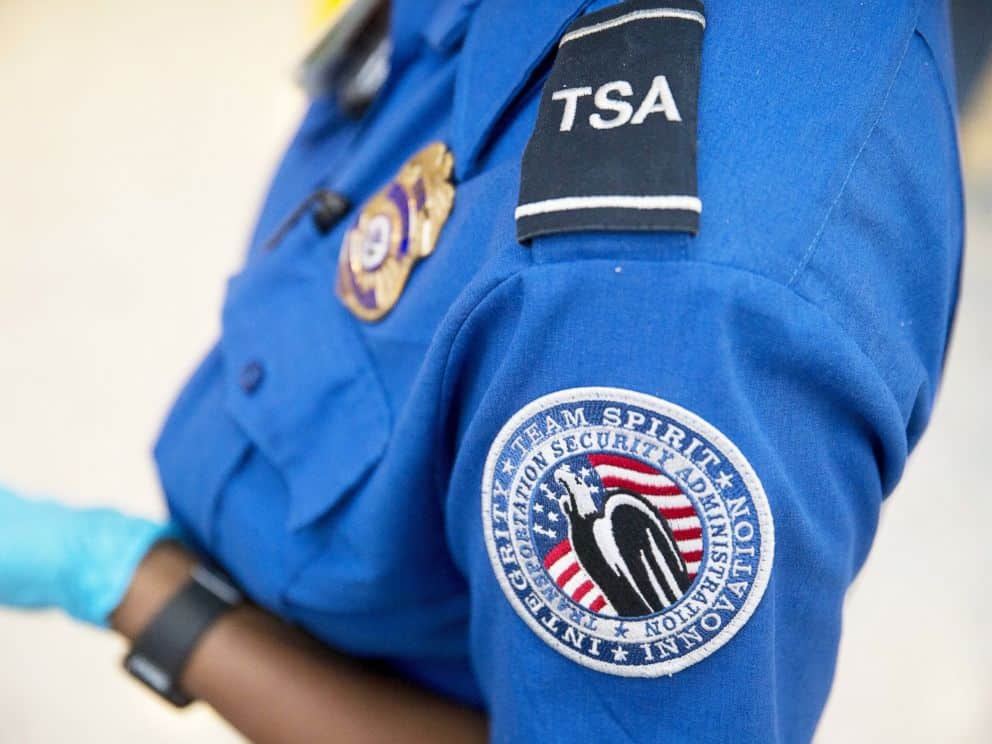
<p>At the Transportation Security Administration (TSA), Congress continues to back biometric identity verification as a core element of aviation security, while layering in new oversight expectations. The agreement provides $10.6 billion for TSA Operations and Support, alongside $330.2 million for procurement, construction, and improvements and $24 million for research and development.</p>
<p>Within those totals, lawmakers allocate $15 million for <a href="https://www.biometricupdate.com/tag/credential-authentication-technology-cat">Credential Authentication Technology</a> (CAT) systems used at airport checkpoints, $300 million for checkpoint screening modernization, and $12 million for research into AI-enhanced screening technologies.</p>
<p>CAT systems are designed to validate the authenticity of identity documents and interface with Secure Flight and other backend systems, forming the technical foundation upon which biometric matching can be layered.</p>
<p>TSA is also directed to continue piloting biometric identity verification technologies at checkpoints, but only with robust privacy safeguards in place and with a required report to Congress within 180 days of enactment that details data use, retention practices, and impact to civil liberties.</p>
<p>The bill’s language makes clear that biometric expansion in aviation security is no longer viewed as experimental or peripheral. Instead, Congress treats biometric identity verification as a permanent feature of TSA operations, while simultaneously signaling that unchecked deployment without transparency or public accountability will not be tolerated.</p>
<p>Customs and Border Protection’s (CBP) biometric programs receive similarly sustained backing, particularly those tied to entry-exit tracking and traveler identity verification. The CBP fee-funded <a href="https://docs.house.gov/billsthisweek/20260119/DEF%20LHHS%20HS%20THUD%20-%20JES%20-%20Division%20C%20-%20Homeland%20-%201-19-2026%20-%20Reduced%20File%20Size.pdf">programs table</a> explicitly lists the 9-11 Response and Biometric Exit Account, placing biometric exit alongside passenger inspection and agriculture inspection fees as a standing operational cost.</p>
<p>The continued reliance on fee-funded mechanisms underscores how deeply biometric exit has been integrated into CBP’s core mission, even as full nationwide deployment has faced persistent operational and infrastructure challenges documented by DHS oversight bodies.</p>
<p>Despite its central role in CBP’s biometric exit strategy, the 9-11 Response and Biometric Exit Account has long been a source of structural friction rather than a stable foundation for nationwide deployment. The account is funded through passenger fees rather than direct appropriations, tying biometric exit operations to fluctuations in air travel volume and airline compliance.</p>
<p>Oversight bodies have repeatedly found that this funding model complicates long-term planning, limits CBP’s ability to scale infrastructure consistently across airports, and leaves biometric exit deployments unevenly distributed.</p>
<p>Rather than supporting a uniform national system, the fee-funded structure has contributed to a patchwork of deployments that vary by airport, airline participation, and available technology, undermining the goal of comprehensive exit tracking.</p>
<p>Operational challenges compound these funding constraints. A <a href="https://www.gao.gov/assets/gao-20-568.pdf">Government Accountability Office</a> audit and DHS Inspector General <a href="https://www.oig.dhs.gov/sites/default/files/assets/2018-09/OIG-18-80-Sep18.pdf">review</a> found that while CBP’s biometric exit systems generally perform well under controlled conditions, real-world deployment at boarding gates has struggled to meet program performance targets.</p>
<p>Photo capture rates during departures have fallen short of CBP’s stated goals, reflecting the reality that biometric exit relies on coordination among airlines, airport authorities, and CBP systems that do not operate under unified control.</p>
<p>Congestion, staffing constraints, airline boarding practices, and inconsistent technology integration all affect capture rates, creating gaps in exit data even at airports where biometric systems are nominally deployed.</p>
<p>These limitations help explain why Congress continues to fund biometric exit while simultaneously signaling caution, embedding the program within fee-funded accounts and requiring ongoing reporting rather than mandating rapid or universal expansion.</p>
<p>Congress also directs the U.S. Citizenship and Immigration Services (USCIS), in coordination with CBP, to submit a report within 180 days assessing the feasibility and cost of collecting biometrics at certain CBP-controlled locations. The requirement highlights lawmakers’ interest in tighter integration across DHS components, while stopping short of mandating new collection regimes without further analysis.</p>
<p>Taken together, the FY 2026 DHS funding agreement reflects a clear congressional judgment: biometric systems are now indispensable to DHS operations, but they are also among the department’s most politically sensitive and legally fraught technologies. Rather than retreating from biometrics, lawmakers are doubling down on investment while tightening expectations around governance, transparency, and continuity.</p>
<p>That posture aligns with broader congressional skepticism toward sweeping internal reorganizations of biometric authorities. As <em>Biometric Update</em> <a href="https://www.biometricupdate.com/202506/internal-struggle-over-us-federal-biometric-data-management-intensifies">reported</a> last summer, proposals to shift or consolidate DHS biometric functions raised alarms.</p>
<p>The FY 2026 agreement does not prohibit reorganization outright, but it makes clear that Congress intends to be consulted - and convinced - before any changes are made.</p>
<p>In effect, the bill treats DHS biometrics as critical national infrastructure. Funding flows continue, modernization is encouraged, and new capabilities are authorized. But Congress is also drawing firmer lines around who controls these systems, how they may be used, and what protections must accompany their expansion.</p>
<p>As biometric identity becomes increasingly foundational to border security, immigration enforcement, and domestic travel, lawmakers appear determined to ensure that technological momentum is sustained, but that it also does not outrun democratic oversight.</p>
<p><!-- /wp:html --></p>
            ]]>
        </content>
    </entry>
    <entry>
        <title>Lawmakers warn DHS against sweeping expansion of immigration biometrics</title>
        <author>
            <name>Provadivita</name>
        </author>
        <link href="https://provadivita.com/lawmakers-warn-dhs-against-sweeping-expansion-of-immigration-biometrics/"/>
        <id>https://provadivita.com/lawmakers-warn-dhs-against-sweeping-expansion-of-immigration-biometrics/</id>
        <media:content url="https://provadivita.com/media/posts/630/dhs-fingerprint-Wp59FR.jpg" medium="image" />
            <category term="Biometric Identification"/>
            <category term="Biometric Authentication"/>

        <updated>2025-12-22T22:15:22+08:00</updated>
            <summary type="html">
                <![CDATA[
                        <img src="https://provadivita.com/media/posts/630/dhs-fingerprint-Wp59FR.jpg" alt="Lawmakers warn DHS against sweeping expansion of immigration biometrics" />
                    On Friday, Congresswoman Yvette D. Clarke of New York’s 9th Congressional District galvanized bipartisan concern about the Department of Homeland Security’s (DHS) proposed rule to dramatically expand biometric data collection in immigration and naturalization procedures. Clarke and 49 members of the House wrote to DHS&hellip;
                ]]>
            </summary>
        <content type="html">
            <![CDATA[
                    <p><img src="https://provadivita.com/media/posts/630/dhs-fingerprint-Wp59FR.jpg" class="type:primaryImage" alt="Lawmakers warn DHS against sweeping expansion of immigration biometrics" /></p>
                <p><!-- wp:html --></p>
<p>On Friday, Congresswoman Yvette D. Clarke of New York’s 9th Congressional District galvanized bipartisan concern about the Department of Homeland Security’s (DHS) proposed rule to <a href="https://www.biometricupdate.com/202511/uscis-seeks-to-revive-broaden-biometric-data-collection-for-immigrants">dramatically expand biometric data collection</a> in immigration and naturalization procedures.</p>
<p>Clarke and 49 members of the House <a href="https://drive.google.com/file/d/1tqSAMA-c-CUOi8bjTnLiyNrXz0r3u0xN/view?usp=sharing">wrote</a> to DHS Secretary Kristi Noem and U.S. Citizenship and Immigration Services Director Joseph Edlow urging the agency to withdraw or substantially revise the proposal.</p>
<p>The lawmakers outlined deep reservations about the breadth, lack of safeguards, and civil rights implications of what DHS wants to do, arguing that it risked undermining public trust and essential protections for millions of individuals affected by U.S. immigration law.</p>
<p>“The proposed rule raises serious questions about privacy, data security, and the potential for discriminatory or unauthorized surveillance,” the lawmakers wrote, adding that “without significant changes, this proposed rule will potentially damage American citizens’ and children’s privacy and risk unauthorized disclosure of their fingerprints, eye scans, and DNA.”</p>
<p>The rule in question, <a href="https://www.federalregister.gov/documents/2025/11/03/2025-19747/collection-and-use-of-biometrics-by-us-citizenship-and-immigration-services?utm_source=chatgpt.com">published</a> in November as an advance notice of proposed rulemaking by DHS, seeks to overhaul longstanding limits on <a href="https://provadivita.com/biometric-identification/" target="_blank" rel="noopener">biometric data collection</a>.</p>
<p>Under current regulations, DHS collects fingerprints, photographs, and other identifying information in specific immigration contexts, primarily to verify identity and conduct security checks.</p>
<p>The new rule would remove age restrictions and expand the collection and use of biometric identifiers for a far broader group, including individuals merely associated with immigration benefit requests, irrespective of whether they are U.S. citizens, nationals, or lawful permanent residents.</p>
<p>“The rule would allow DHS to require biometric submissions from anyone associated with an immigration benefit request – including U.S. citizens, children, and lawful permanent residents serving as petitioners, sponsors, beneficiaries, or dependents – with no age limitations and broad permission to store, share, and reuse this data,” the lawmakers’ letter says.</p>
<p>The noted that these “<a href="https://provadivita.com/biometric-authentication/" target="_blank" rel="noopener">biometric identifiers</a> are permanent and cannot be changed if compromised, making the risks of misuse or breach uniquely severe, irreversible, and lifelong.”</p>
<p>Proposed biometric modalities would extend beyond fingerprints and facial imagery to include additional traits such as ocular scans, voice prints, and potentially DNA or DNA test results, with continuous vetting envisioned throughout an individual’s stay until citizenship is achieved.</p>
<p>Public comments on the rule are open through early January, at which point DHS will review feedback before finalizing any changes.</p>
<p>In their letter, the lawmakers raised a series of pointed concerns about how the rule as drafted failed to safeguard civil rights, privacy, and cybersecurity. They pointed to reporting highlighting DHS’s increasing reliance on facial recognition and third-party data systems that, critics say, lack sufficient transparency or oversight.</p>
<p>Those reporting efforts, the lawmakers argued, reveal disproportionate impacts on communities of color and immigrant populations and underscore the dangers of expanding surveillance infrastructure without clear guardrails.</p>
<p>The letter also referenced recent high-profile breaches of biometric systems - including hacks of databases tied to companies used by foreign law enforcement and unauthorized access to U.S. Customs and Border Protection data from facial recognition pilot programs - as evidence of the risks posed by broad biometric collection absent robust protections.</p>
<p>Central to the legislators’ critique was the absence in the proposed rule of detailed mechanisms to ensure adequate protection of collected data.</p>
<p>The letter argues that DHS’s proposal lacks meaningful information on how expansive biometric datasets would be secured against cyber threats, how long data would be retained, who could access the information, how independent auditing would function, or how transparency would be provided to individuals whose biometric information is stored and used.</p>
<p>Without such safeguards, the lawmakers warn, public trust in immigration administration could erode, and civil rights protections which are foundational to fair and humane governance could be jeopardized.</p>
<p>The letter framed biometric technologies not merely as technical tools but as systems with profound implications for privacy, equality, and societal trust.</p>
<p>The lawmakers urged DHS to adopt a framework that genuinely protects individuals - both U.S. citizens and noncitizens - rather than exposing them to “unnecessary and unmitigated risk.”</p>
<p>They stressed that biometric data collection and reuse must be constrained by clear civil liberties protections, transparent oversight, and rigorous cybersecurity measures if it is to be justified in the context of immigration and naturalization.</p>
<p>Broader debates over DHS’s use of biometric and surveillance technologies have been intensifying as federal agencies increasingly integrate digital identification and data analytics into security and immigration operations.</p>
<p>Civil liberties advocates and some policy scholars argue that expansive biometric systems can create chilling effects on privacy and freedom of expression, especially for marginalized and immigrant communities, and that the federal government’s analysis of such proposals often underestimates the societal costs involved.</p>
<p>Critics also contend that such systems may deter lawful immigration by imposing onerous requirements and could contribute to heightened surveillance of U.S. citizens through their associations with immigrants.</p>
<p>These concerns resonate with the points raised by Clarke and her colleagues in their critique of the current DHS proposal.</p>
<p>As DHS evaluates public comments on the proposed rule, the conversation among lawmakers, privacy advocates, and immigrant rights groups is likely to continue focusing on how to balance the agency’s stated objectives - identity verification, national security, and administrative efficiency - with robust protections for individual rights.</p>
<p><!-- /wp:html --><!-- wp:paragraph --></p>
<p><!-- /wp:paragraph --></p>
            ]]>
        </content>
    </entry>
    <entry>
        <title>TSA launches Confirm.ID as alternative for passengers without valid ID</title>
        <author>
            <name>Provadivita</name>
        </author>
        <link href="https://provadivita.com/tsa-launches-confirmid-as-alternative-for-passengers-without-valid-id/"/>
        <id>https://provadivita.com/tsa-launches-confirmid-as-alternative-for-passengers-without-valid-id/</id>
        <media:content url="https://provadivita.com/media/posts/629/TSA-y6YVzC.jpg" medium="image" />
            <category term="Biometric Identification"/>

        <updated>2025-12-04T04:02:36+08:00</updated>
            <summary type="html">
                <![CDATA[
                        <img src="https://provadivita.com/media/posts/629/TSA-y6YVzC.jpg" alt="TSA launches Confirm.ID as alternative for passengers without valid ID" />
                    This new development follows a notice posted November 19 in the Federal Register by TSA unveiling a new Modernized Alternative Identity Verification program that will allow passengers who cannot present an acceptable form of identification to pay an $18 fee to undergo a technology-assisted identity verification&hellip;
                ]]>
            </summary>
        <content type="html">
            <![CDATA[
                    <p><img src="https://provadivita.com/media/posts/629/TSA-y6YVzC.jpg" class="type:primaryImage" alt="TSA launches Confirm.ID as alternative for passengers without valid ID" /></p>
                <p><!-- wp:html --></p>
<h2>The Transportation Security Administration (TSA) will soon require air travelers who arrive at airport checkpoints without an acceptable form of identification to either present a valid REAL ID compliant credential or pay a newly established $45 fee to verify their identity through a modernized screening system.</h2>
<p>This new development follows a <a href="https://www.federalregister.gov/public-inspection/2025-20474/modernized-alternative-identity-verification-user-fee">notice</a> posted November 19 in the <em>Federal Register </em>by TSA <a href="https://www.biometricupdate.com/202511/tsas-new-identity-verification-fee-signals-major-shift-in-post-real-id-enforcement">unveiling</a> a new Modernized Alternative Identity Verification program that will allow passengers who cannot present an acceptable form of identification to pay an $18 fee to undergo a technology-assisted identity verification process instead.</p>
<p>Now, beginning February 1, 2026, any passenger who lacks an <a href="https://provadivita.com/biometric-identification/" target="_blank" rel="noopener">approved ID</a> and still wants to fly will be directed to <a href="https://www.tsa.gov/tsaconfirm-id">TSA Confirm.ID</a>, a revamped alternative identity-verification process that has now been formalized as a paid option.</p>
<p>TSA officials say the fee will cover the cost of verifying travelers who cannot provide <a href="https://provadivita.com/biometric-authentication/" target="_blank" rel="noopener">acceptable identification</a>, shifting the financial burden from taxpayers to passengers.</p>
<p>For those who choose to use it, the payment grants access to Confirm.ID for a 10-day travel period, allowing round-trip or multi-segment itineraries without additional fees.</p>
<p>TSA emphasized that while the identity verification option will remain available, it is designed as a last resort measure and is expected to cause delays at airports.</p>
<p>TSA describes Confirm.ID as a technology-enabled replacement for older manual verification procedures.</p>
<p>Instead of relying primarily on labor-intensive call center checks (or similar manual identity verification), the new program leverages “biographic and/or biometric information” to confirm a passenger’s identity and match them against TSA’s watchlist or Secure Flight prescreening data.</p>
<p>TSA argues the fee is necessary because the “initial development and deployment” of the program - including software, IT infrastructure, data security, administrative overhead, and ongoing operations - represent significant costs, and that requiring a user fee ensures those costs are borne by the travelers who use the system, rather than by taxpayers.</p>
<p>During the process, TSA will collect biographic information and/or biometric information that will be used to attempt to verify that the traveler is indeed who they claim to be and to cross-check against TSA’s Secure Flight watchlist or other prescreening databases.</p>
<p>According to TSA, all travelers who fail to present an acceptable ID - including those carrying a non-REAL ID compliant driver’s license - will be routed to the Confirm.ID process before they can enter the security line.</p>
<p>TSA is working with industry partners to set up online payment platforms so travelers can pay the fee before reaching the airport, though on-site payment options will also be available at designated locations near security checkpoints.</p>
<p>The agency published an updated list of acceptable identification documents.</p>
<p>TSA said travelers who do not already have a REAL ID should schedule an appointment with their state DMV as soon as possible. The agency noted that REAL ID requirements, first mandated more than two decades ago, were not fully implemented by previous administrations.</p>
<p>Under President Trump and Secretary of Homeland Security Kristi Noem, the federal government began enforcing REAL ID at airport checkpoints on May 7.  TSA estimates that more than 94 percent of passengers now fly with REAL ID-compliant or otherwise acceptable ID.</p>
<p>The agency said passengers who depend on Confirm.ID should expect longer wait times and warned that identity verification is not guaranteed. Delays will vary by airport because each location is implementing the system differently.</p>
<p>If identity cannot be validated through Confirm.ID, passengers may be denied access to the secure area and unable to board their flights.</p>
<p>“Identity verification is essential to traveler safety, because it keeps terrorists, criminals, and illegal aliens out of the skies and other domestic transportation systems such as rail,” said Adam Stahl, the Senior Official Performing the Duties of Deputy Administrator for TSA.</p>
<p>“The vast majority of travelers present acceptable identification like REAL IDs and passports, but we must ensure everyone who flies is who they say they are,” Stahl  said.</p>
<p>Stahl said TSA’s top priority is protecting the traveling public and urged passengers to update their identification well in advance to avoid delays or missed flights. TSA is encouraging anyone who anticipates needing the Confirm.ID option to pay the fee online before arriving at the airport.</p>
<p>The full list of acceptable IDs is available on <a href="http://tsa.gov/travel/security-screening/identification">TSA’s website</a>.</p>
<p><!-- /wp:html --></p>
            ]]>
        </content>
    </entry>
    <entry>
        <title>Australian Legislators Spar Over Age Assurance Laws</title>
        <author>
            <name>Provadivita</name>
        </author>
        <link href="https://provadivita.com/australian-legislators-spar-over-age-assurance-laws/"/>
        <id>https://provadivita.com/australian-legislators-spar-over-age-assurance-laws/</id>
        <media:content url="https://provadivita.com/media/posts/628/teens-phones-scaled-3iFZoI.jpg" medium="image" />
            <category term="Biometric Identification"/>

        <updated>2025-10-22T01:02:36+08:00</updated>
            <summary type="html">
                <![CDATA[
                        <img src="https://provadivita.com/media/posts/628/teens-phones-scaled-3iFZoI.jpg" alt="Australian Legislators Spar Over Age Assurance Laws" />
                    The latest to suggest that maybe they aren’t subject to the law are TikTok and Snapchat. The companies have reportedly made the case to Australia’s eSafety Commissioner that there are potential legal workarounds to Australia’s incoming social media regulations, which will prohibit users under 16&hellip;
                ]]>
            </summary>
        <content type="html">
            <![CDATA[
                    <p><img src="https://provadivita.com/media/posts/628/teens-phones-scaled-3iFZoI.jpg" class="type:primaryImage" alt="Australian Legislators Spar Over Age Assurance Laws" /></p>
                <p><!-- wp:html --></p>
<h2>If there’s one thing every platform can agree on when it comes to age assurance, it’s that biometric age verification measures are a good idea – but probably just not for them.</h2>
<p>The latest to suggest that maybe they aren’t subject to the law are TikTok and Snapchat. The companies have reportedly made the case to Australia’s eSafety Commissioner that there are potential legal workarounds to Australia’s incoming <a href="https://www.biometricupdate.com/202509/australia-sets-out-conditions-for-social-media-age-restrictions">social media regulations</a>, which will prohibit users under 16 from having accounts.</p>
<p>A report from MLex <a href="https://www.mlex.com/mlex/articles/2399000/tiktok-snapchat-explore-exemptions-workarounds-to-australia-s-social-media-ban">says</a> Commissioner Julie Inman-Grant and Communications Minister Anika Wells heard from the firms during a parliamentary hearing that they “may be able to offer an experience for under-16 users without being caught by the ban.”</p>
<p>But Inman-Grant also recognizes that “every platform that is caught by the social media ban would like to be named in the exemption,” and says TikTok and Snapchat will have to go into more “fulsome detail” if they want to be considered.</p>
<p>YouTube has already made <a href="https://www.biometricupdate.com/202507/battle-intensifies-over-youtube-exemption-for-australias-social-media-ban">much fuss</a> over the revocation of its exemption from the law – none of which has moved Inman-Grant to reset her decision – yet. Google maintains that YouTube is “a video-streaming platform that Australians use as a content library and a learning resource,” rather than a social media site. It says the age check law will be “extremely difficult” for Australia to enforce, and there is <a href="https://www.theguardian.com/technology/2025/oct/13/google-wont-reveal-if-it-is-lobbying-trump-about-youtubes-inclusion-in-australias-under-16s-ban">speculation</a> that Google may be lobbying the Trump administration to step in on YouTube’s behalf.</p>
<h2>Dynamic list to monitor platforms as they adapt</h2>
<p>Inman-Grant’s political opponents also point out how the regulatory effort could end up like a game of Whac-a-Mole. But the commissioner has factored a dynamic landscape into her plan. She is set to release more information on a so-called “dynamic list” of platforms that will be assessed to determine if they are subject to the <a href="https://www.biometricupdate.com/tag/australia-age-verification">age verification</a> law.</p>
<p>The list is not dynamic only in adding platforms, either: Inman-Grant says companies such as Roblox, WhatsApp, Kick and Pinterest change their features all the time, necessitating a state of constant regulatory assessment. She notes that the latest version of <a href="https://www.biometricupdate.com/202510/tale-of-two-platforms-sees-sora-flood-web-with-deepfakes-world-save-the-day">OpenAI’s Sora</a> comes with AI-generated social media functionality.</p>
<p>“They never mentioned that this was on the boil. So, I’ve sent them the regulatory guidance and our assessment tool,” she says.</p>
<p>The eSafety Commissioner gives a nod to Meta Platforms, which she says is “further ahead than most peers in deploying age-assurance technology before the ban takes effect.”</p>
<p>Meanwhile, Wells is preparing to launch a national education campaign this week to raise awareness. “It’s called For The Good Of, and it means for the good of our kids,” says Wells in a <a href="https://minister.infrastructure.gov.au/wells/transcript/doorstop-melbourne">transcript</a> of an exchange with Member for Menzies Gabriel Ng.</p>
<p>“We’re doing these things, ultimately, for the good of young people in Australia. It will span television, radio, digital. There will be some on billboards near schools around the country. They’ll see it on TV. They’ll see it online. They’ll see it, ironically, on social media, because until the 10th of December, it is legal for kids to be on social media. And if that’s where they are, that’s where we need to talk to them about what this means and why we’re doing it.”</p>
<h2>It’s the over-retention, Shoebridge: Corby addresses much ado about data</h2>
<p>Australia’s parliament has been among the main staging grounds for debating <a href="https://provadivita.com/biometric-liveness-authentication/" target="_blank" rel="noopener">age assurance</a> policy, and as such it is no stranger to Iain Corby, executive director of the Age Verification Providers Association (<a href="https://www.biometricupdate.com/companies/the-age-verification-providers-association">AVPA</a>), who presented evidence to the Senate Environment and Communications References Committee in a recent <a href="https://www.youtube.com/live/ZcuU8tWurkU">hearing</a>.</p>
<p>In his opening remarks, Corby makes the case for privacy-preserving, independent third-party age assurance checks. He calls for regulations to mandate privacy by design, and to pursue solutions that use <a href="https://www.biometricupdate.com/202504/double-blind-age-assurance-requirement-for-porn-sites-takes-effect-in-france">double-blind architecture</a> and zero-knowledge proofs (ZKP), to restrict the sharing of data between parties to what is necessary. He argues that laws should require certification against international standards, and advocates for a risk-based “successive validation technique” that begins with low friction processes like <a href="https://www.biometricupdate.com/tag/facial-age-estimation-fae">facial age estimation (FAE)</a> and levels up as needed.</p>
<p>Questions from the floor interrogate the use of school data to verify age for those without bank accounts, about data retention in the context of Australian privacy law and repeated major data breaches – including the major <a href="https://www.biometricupdate.com/202510/discord-partners-manual-age-verification-data-breach-includes-selfies">Discord breach</a>, which gets blamed on the third party age assurance provider.</p>
<p>Corby is quick to correct the error: per Discord’s statements, it was with 5CA and its partner software Zendesk that the breach originated. The age assurance provider, k-ID, did age checks; 5CA handled appeals. “Discord had done a good job on the initial age checks,” Corby says, “but then were bandying around people’s private identity information on a random customer services system, which was a terrible mistake.”</p>
<p>5CA has defended itself in a statement. “Based on interim findings, we can confirm that the incident occurred outside of our systems and that 5CA was not hacked,” it <a href="https://5ca.com/blog/holding-statement-security-incident/">says</a>. “There is no evidence of any impact on other 5CA clients, systems, or data. Our preliminary information suggests the incident may have resulted from human error, the extent of which is still under investigation.”</p>
<h2>The data privacy violations are coming from inside the platform</h2>
<p>There is, in questioning from Senator David Shoebridge of the Australian Greens, an apparent desire to assign blame to age verification providers. He argues that Australia’s privacy laws aren’t yet ready to accommodate such data collection, in that Australia’s 1988 Privacy Act doesn’t include requirements for the deletion of data. He asks about workarounds, like masks and VPNs.</p>
<p>Corby’s response is to ask for more and better regulation. The <a href="https://www.biometricupdate.com/biometrics-buyers-guides-and-market-analysis/2025-online-biometric-age-assurance-market-report-buyers-guide-uk-edition">age assurance industry</a> is that rare sector that seeks regulation as an anchor for public trust. As such, calling it out for gaps in its effectiveness is another potential amendment to legislation.</p>
<p>The over-retention of data by Zendesk is an issue with implementation, not design or legislation. <a href="https://provadivita.com/biometric-identification/" target="_blank" rel="noopener">Age assurance</a> providers are having their feet held to the fire, as they should, as firms that handle sensitive personal information. But the chain of trust must extend throughout the ecosystem, and platforms being weak links should be recognized as such.</p>
<p>A line of questioning by Senator Sarah Hanson Young brings the hearing to the brink of understanding. “The platforms can do this already. They know who, they know whether a child is on a platform. They know whether that child is accessing harmful material or dangerous material and therefore the platform should be held responsible for that. Why? Why are platforms allowing children to access dangerous material now if they know it’s dangerous and they’re kids?”</p>
<p>Shoebridge, however, torpedoes the epiphany. “Well, I think most people would be concerned about having 24-hour permanent surveillance of everything they do, collected in a database, and used by social media platforms,” he says – essentially defining the business model for <a href="https://www.biometricupdate.com/tag/social-media">social media</a>.</p>
<p><!-- /wp:html --></p>
            ]]>
        </content>
    </entry>
    <entry>
        <title>Biometrics enrollment and Big Brother fears loom: is the post office the answer?</title>
        <author>
            <name>Provadivita</name>
        </author>
        <link href="https://provadivita.com/biometrics-enrollment-and-big-brother-fears-loom-is-the-post-office-the-answer/"/>
        <id>https://provadivita.com/biometrics-enrollment-and-big-brother-fears-loom-is-the-post-office-the-answer/</id>
        <media:content url="https://provadivita.com/media/posts/627/black-male-facial-recognition-scaled-GOacOi.jpg" medium="image" />
            <category term="Biometric Identification"/>
            <category term="Biometric Authentication"/>

        <updated>2025-10-05T06:23:41+08:00</updated>
            <summary type="html">
                <![CDATA[
                        <img src="https://provadivita.com/media/posts/627/black-male-facial-recognition-scaled-GOacOi.jpg" alt="Biometrics enrollment and Big Brother fears loom" />
                    Biometrics hold stunning potential for establishing trust and enabling inclusion for people living outside of bureaucratic systems, but these goals can clash. A possible solution for national ID systems emerges from some of the week’s top articles on Biometric Update. The role of the post&hellip;
                ]]>
            </summary>
        <content type="html">
            <![CDATA[
                    <p><img src="https://provadivita.com/media/posts/627/black-male-facial-recognition-scaled-GOacOi.jpg" class="type:primaryImage" alt="Biometrics enrollment and Big Brother fears loom" /></p>
                <p><!-- wp:html --></p>
<p><br><a href="https://provadivita.com/biometric-identification/" target="_blank" rel="noopener">Biometrics</a> hold stunning potential for establishing trust and enabling inclusion for people living outside of bureaucratic systems, but these goals can clash. A possible solution for national ID systems emerges from some of the week’s top articles on <em>Biometric Update</em>.</p>
<p>The role of the post office in an era of digital government may be delivering trust, in the form of biometric binding for digital credentials. Governments and online platforms around the world are running up huge trust deficits, but perhaps one of the more reliable public institutions, possibly rebranded as the “trust office,” can provide some of the basic assurances necessary.</p>
<p>Feedzai’s impressive funding round shows the confidence investors have in the latest <a href="https://provadivita.com/fraud-detection-in-insurance-healthcare-and-finance/" target="_blank" rel="noopener">fraud prevention technologies</a> once people are interacting with digital financial services.</p>
<h2>Public opinion divide</h2>
<p>The UK government’s mandatory digital ID plan has left digital identity <a href="https://www.biometricupdate.com/202509/uk-digital-id-plans-have-more-opponents-than-details">providers certified under the DIATF wondering</a> if they have wasted effort and money only to be undercut. PM Kier Starmer’s proposal aligns with suggestions from former Labour PM Tony Blair’s eponymous institute, which counts an American Big Tech mogul among its major doners, and is facing immediate resistance in Ireland and Scotland. DSIT has <a href="https://www.biometricupdate.com/202510/hold-your-horses-and-dont-call-it-a-card-uk-govt-to-digital-id-petitioners">promised a consultation</a>, but offered little detail on the plan so far.</p>
<p>Switzerland is also divided over digital ID, with <a href="https://www.biometricupdate.com/202509/swiss-endorse-digital-id-plan-in-narrow-referendum-approval">50.4 percent approving</a> a government plan in a national referendum. The narrow margin laid bare a lack of trust that the government will have to address as it rolls out the optional digital ID and Swiyu digital wallet. The result does represent 14 percent more support than the Swiss national digital ID had in 2021, though, providing some hope for its proponents.</p>
<p>People are right to be skeptical of digital IDs, says Andy Higgs of DINZ, but the group sees New Zealand as ready for decentralized identities in the form of mobile driver’s licenses, which could be <a href="https://www.biometricupdate.com/202510/new-zealand-could-have-mobile-drivers-licenses-by-end-of-2025">launched by the end of 2025</a>. Open standards for digital wallets, ZKPs and the Biometric Processing Privacy Code all contribute to that readiness.</p>
<p>Countries around the world are looking for a range of benefits from their digital ID, from the immigration reduction intentions of the UK to the economic boost Sri Lanka is hoping for by <a href="https://www.biometricupdate.com/202509/fintech-journey-powering-sri-lanka-digital-economy">enabling its fintech sector</a>. Most of these goals require a tricky combination of robust biometric enrollment and identity binding and inclusive availability. One institution that has long trafficked in trust and accessibility is the post office.</p>
<h2>A new purpose for a venerable institution?</h2>
<p>In the UK, the Post Office is already a digital ID provider, through a partnership with Yoti, but a new paper from the organization says it can do more. The paper says the removal of Biometric Residence Card collection and other services has hurt its bottom line, but it could be made sustainable again if designated the <a href="https://www.biometricupdate.com/202510/uk-digital-identity-could-be-lifeline-for-post-office-and-vice-versa">in-person contact point</a> for the digital ID system for interactions like biometrics enrollment.</p>
<p>Poste Italiane is already Italy’s top provider of digital ID services, and it has provoked some criticism from the public with the announcement of <a href="https://www.biometricupdate.com/202509/italys-biggest-digital-id-services-provider-set-to-introduce-annual-fees">plans to start charging fees</a> for them. Competitors Aruba and InfoCert are already charging for SPID services though, and Post Italiane serves around half of the country’s digital ID users.</p>
<p>A new report from eu-LISA on digital travel identity management emphasizes the need for continuous research and investment in technology. The report delves into the potential of <a href="https://www.biometricupdate.com/202509/eu-eyes-blockchain-as-digital-travel-identity-management-progresses">blockchain for people claiming asylum</a>, and the challenge of remote biometrics enrollment.</p>
<h2>America’s border biometrics</h2>
<p>Bi2 has won a contract with ICE worth up to $4.6 million to supply <a href="https://www.biometricupdate.com/202509/sole-source-contract-to-bi2-expands-ices-use-of-biometric-surveillance">iris biometrics for enforcement field operations</a>. ICE will use the MORIS mobile front-end system and the IRIS back-end to match subjects against millions of arrest records.</p>
<p>The golden work visa scheme put in place by U.S. President Donald Trump could dramatically cut a source of funding to DHS for the biometric entry-exit system. But the collections have disappointed so far anyway, and <a href="https://www.biometricupdate.com/202509/trumps-second-term-drives-a-biometric-spending-boom-on-the-border">funding specifically allocated to biometrics</a> spiked with the allocation of $165 billion for the department earlier this year.</p>
<p>CBP’s biometric exit is continuing to evolve, quietly adding <a href="https://www.biometricupdate.com/202509/cbp-biometric-exit-blurs-lines-between-convenience-and-surveillance">scans with mobile devices</a> carried by federal officers to the cameras installed at boarding gates by airlines, following an extensive testing process. Little is known about the mobile devices used, however, fueling suspicions about government surveillance.</p>
<h2>Startup and scale-up</h2>
<p>Handwave CEO Janis Sturna discuss the potential of hashed palm biometrics for a range of applications including payments, loyalty programs and age assurance in the latest episode of the <a href="https://biometricupdatepodcast.podbean.com/e/biometric-update-podcast-ep-17-sleight-of-hand-with-janis-sturna-ceo-of-startup-handwave/"><em>Biometric Update </em>Podcast</a>. He explains the combination of characteristics his company uses, and its U.S. expansion plans.</p>
<p><a href="https://www.biometricupdate.com/202510/feedzai-secures-75m-to-boost-ai-powered-financial-crime-prevention">Feedzai has raised $75 million</a> at a $2 billion valuation, and plans to scale its fraud protection business and developing technology for its comprehensive platform. The company also signed a potentially lucrative agreement with the ECB to support the digital euro.</p>
            ]]>
        </content>
    </entry>
    <entry>
        <title>Italian Data Protection Authority (GPDP) Suspends Facial Recognition Service at Milan Linate Airport</title>
        <author>
            <name>Provadivita</name>
        </author>
        <link href="https://provadivita.com/italian-data-protection-authority-gpdp-suspends-facial-recognition-service-at-milan-linate-airport/"/>
        <id>https://provadivita.com/italian-data-protection-authority-gpdp-suspends-facial-recognition-service-at-milan-linate-airport/</id>
        <media:content url="https://provadivita.com/media/posts/626/facial-recognition.png" medium="image" />
            <category term="Biometric Identification"/>
            <category term="Biometric Authentication"/>

        <updated>2025-09-18T21:49:52+08:00</updated>
            <summary type="html">
                <![CDATA[
                        <img src="https://provadivita.com/media/posts/626/facial-recognition.png" alt="Italian Data Protection Authority (GPDP) Suspends Facial Recognition Service at Milan Linate Airport" />
                    In recent years, the deployment of biometric technologies—particularly facial recognition—has accelerated across public and private sectors worldwide. Airports have been among the most prominent adopters of these systems, driven by promises of improved security, streamlined passenger processing, and operational efficiencies. However, the rapid integration of&hellip;
                ]]>
            </summary>
        <content type="html">
            <![CDATA[
                    <p><img src="https://provadivita.com/media/posts/626/facial-recognition.png" class="type:primaryImage" alt="Italian Data Protection Authority (GPDP) Suspends Facial Recognition Service at Milan Linate Airport" /></p>
                <p>In recent years, the deployment of <a href="https://provadivita.com/biometric-identification/" target="_blank" rel="noopener">biometric technologies</a>—particularly facial recognition—has accelerated across public and private sectors worldwide. Airports have been among the most prominent adopters of these systems, driven by promises of improved security, streamlined passenger processing, and operational efficiencies. However, the rapid integration of such technologies has raised significant legal, ethical, and technical concerns surrounding privacy, data protection, algorithmic fairness, and transparency.</p>
<p>One notable recent development is the decision by the Italian Data Protection Authority (<a href="https://www.garanteprivacy.it" target="_blank" rel="noopener">Garante per la Protezione dei Dati Personali</a>, abbreviated GPDP) to suspend the operation of FaceBoarding’s <a href="https://provadivita.com/press-room/press-releases/provadivita-addresses-challenges-in-digital-identification-with-advanced-biometric-solutions/" target="_blank" rel="noopener">facial recognition</a> service at the automated border control gates of Milan Linate Airport. This essay examines the background, the technology involved, the GPDP’s rationale and legal basis, the implications for stakeholders (including passengers, airport operators, airlines, and technology providers), and the broader context of biometric governance in Europe.</p>
<h2>Background: FaceBoarding and Automated Border Control</h2>
<p>FaceBoarding is a provider of biometric identity-verification solutions that uses facial recognition to authenticate travelers at automated border control (ABC) gates. The technology matches a live image or video of a passenger’s face captured at the gate against a stored reference image—typically from a passport or a governmental identity database—to verify identity and allow passage without human border officer intervention. Proponents argue that such systems can speed up processing, reduce queues, and maintain or enhance security by cross-checking identities against watchlists or risk indicators.</p>
<p>Milan Linate Airport, one of Italy’s principal domestic and regional airports, implemented FaceBoarding’s solution to streamline passenger throughput at automated border gates. The system was intended to allow authorized travelers to be verified biometrically as they moved through passport control, ostensibly improving the passenger experience and operational performance.</p>
<h2>The GPDP’s Decision: Suspension and Its Basis</h2>
<p>The Italian Data Protection Authority issued an order to suspend the FaceBoarding facial recognition service at Milan Linate Airport. The GPDP’s decision reflects concerns about compliance with Italy’s data protection framework and the EU General Data Protection Regulation (GDPR). While the specific case details and official reasoning are multi-faceted, the GPDP’s intervention typically rests on several central legal and factual points that are commonly invoked when authorities scrutinize biometric systems:</p>
<ul>
<li>
<p><strong>Lawfulness of processing</strong>: Under the GDPR, biometric data uniquely identifying a person is a category of “special categories of personal data” (sensitive data). Processing such data requires a robust legal basis and, often, explicit legal authorization. The GPDP must be satisfied that the airport and FaceBoarding had a lawful basis to collect and process biometric data for identity verification.</p>
</li>
<li>
<p><strong>Proportionality and necessity</strong>: Data processing must be necessary and proportionate to the stated objective. The Authority likely examined whether less intrusive means could achieve the same aims (e.g., manual checks, non-biometric identity verification) and whether the biometric approach was proportionate given the privacy risks.</p>
</li>
<li>
<p><strong>Transparency and informed consent</strong>: Individuals must be appropriately informed about biometric data processing and their rights. The GPDP often scrutinizes whether passengers received clear, intelligible information and whether any consent obtained was freely given and specific—particularly significant if refusal would effectively prevent a passenger from traveling or impose undue inconvenience.</p>
</li>
<li>
<p><strong>Data minimization and storage limitation</strong>: The GDPR requires that collected data be adequate, relevant, and limited to what is necessary, and stored only as long as necessary. The GPDP likely reviewed the types and quantity of images captured, how long data were retained, whether templates or raw images were stored, and whether retention policies were justified and implemented.</p>
</li>
<li>
<p><strong>Security and data protection measures</strong>: The Authority examines whether appropriate technical and organizational measures were in place to protect biometric data from unauthorized access, breaches, or misuse. This includes encryption, access controls, secure transmission, and contractual safeguards between involved parties.</p>
</li>
<li>
<p><strong>Data subject rights and redress</strong>: Effective mechanisms must exist for passengers to exercise their rights (access, rectification, erasure, objection) and to obtain meaningful redress. The GPDP may have found that the procedures for enabling such rights were insufficient or unclear.</p>
</li>
<li>
<p><strong>Risk assessment and DPIA</strong>: The GDPR requires a Data Protection Impact Assessment (DPIA) for high-risk processing, such as large-scale biometric identification. The GPDP would assess whether a DPIA was properly conducted, whether risks were identified and mitigated, and whether supervisory authority consultation occurred when residual risks remained high.</p>
</li>
</ul>
<p>Although the GPDP suspended the service rather than ordering a permanent ban, suspension indicates serious concerns and a need for corrective measures before processing can resume lawfully.</p>
<h2>Legal and Regulatory Context</h2>
<p>Understanding the GPDP’s action requires situating it within the broader Italian and European legal framework.</p>
<ul>
<li>
<p>GDPR: The European Union’s GDPR provides the primary legal regime for personal data protection across member states. Biometric data used for uniquely identifying a person is treated as special category data under Article 9 and is subject to stricter conditions. Processing of such data is generally prohibited unless specific safeguards and legal bases are present (e.g., explicit consent, substantial public interest under Union or Member State law, or specific provisions for identification and security).</p>
</li>
<li>
<p>Italian Data Protection Code: Italy’s national legislation supplements GDPR requirements and contains provisions relevant to public security, border control, and the processing of identity and biometric data. Where national laws create legal bases for biometric processing in certain public interest contexts (e.g., border control under migration and security laws), the compatibility of such national rules with GDPR’s principles remains critical.</p>
</li>
<li>
<p>EEA jurisprudence and Guidelines: The European Data Protection Board (EDPB) and national courts issue guidance and rulings affecting biometric systems. Recent years have seen heightened scrutiny: some European supervisory authorities have launched investigations into airport facial recognition systems; others have required rigorous DPIAs or imposed limitations. Court decisions in the EU have also reinforced strict standards for processing biometric data and emphasized necessity, proportionality, and strong safeguards.</p>
</li>
<li>
<p>Biometric Surveillance Landscape: The EU has proposed a regulatory framework for Artificial Intelligence (AI Act) that differentiates between high-risk and prohibited AI applications, with facial recognition for remote biometric identification in public spaces receiving special attention. Though the AI Act is at a different legislative stage, it signals a broader shift toward stricter governance of biometric technologies.</p>
</li>
</ul>
<h2>Practical Concerns and Technical Considerations</h2>
<p>Beyond legal bases, the suspension likely reflects practical and technical shortcomings or uncertainties. Key concerns raised in similar cases include:</p>
<ul>
<li>
<p><strong>Accuracy and bias</strong>: Facial recognition algorithms can exhibit variable accuracy across demographic groups, with documented higher false match or false non-match rates for women, older adults, and certain ethnicities. This can lead to wrongful denials, additional scrutiny, or unequal treatment.</p>
</li>
<li>
<p><strong>Function creep and secondary uses</strong>: Without strict controls, biometric data collected for border control could be repurposed for other uses (e.g., law enforcement, marketing), raising significant privacy risks. Supervisory authorities require limiting purposes and contractual/technical controls to prevent misuse.</p>
</li>
<li>
<p><strong>Data retention and storage architecture</strong>: Whether images are processed locally and immediately discarded, stored as templates, or transmitted to centralized databases affects risk profiles. The GPDP would scrutinize retention periods, whether raw images are stored, and who has access.</p>
</li>
<li>
<p><strong>Third-party processing and sub-processors</strong>: FaceBoarding, airport operators, airlines, and governmental agencies might all play roles. Processing agreements, data controller/processor roles, liability allocation, and cross-border data transfers must comply with GDPR rules.</p>
</li>
<li>
<p><strong>Consent vs. legitimate interest</strong>: In airports, obtaining freely given consent can be problematic because travelers may feel compelled to comply. Many operators rely on other legal bases—such as performance of a contract or public interest—but such bases must be carefully justified, especially for biometric data.</p>
</li>
<li>
<p><strong>Operational transparency and signage</strong>: Visible notices, clear opt-out options, and accessible information help meet transparency obligations. The GPDP likely evaluated whether passengers were adequately informed at points of entry, booking, and gate areas.</p>
</li>
</ul>
<h2>Implications for Stakeholders</h2>
<p>The GPDP’s suspension affects multiple stakeholders and has broader implications for biometric use in transportation and public spaces.</p>
<ul>
<li>
<p>For passengers: The immediate effect is that biometric processing at the suspended gates cannot be used, protecting travelers’ biometric privacy until compliance is demonstrated. It may also mean a return to manual passport checks with potential impacts on wait times.</p>
</li>
<li>
<p>For airport operators and airlines: The suspension highlights operational and compliance risks inherent in deploying biometric systems. Operators may need to invest in stronger data protection practices, re-evaluate procurement and contractual terms, and consider alternative solutions while ensuring traveler experience and security are maintained.</p>
</li>
<li>
<p>For technology providers (e.g., FaceBoarding): Providers must demonstrate compliance through improved technical safeguards, transparent data flows, clearer documentation of lawful bases, and robust DPIAs. The incident may prompt redesigns, additional certifications, or changes to data handling architectures.</p>
</li>
<li>
<p>For regulators and policymakers: The decision underscores the need for clear, harmonized rules and guidance on biometric technologies. Regulators may increase scrutiny of similar deployments elsewhere and push for stronger industry standards.</p>
</li>
<li>
<p>For public trust: High-profile suspensions raise public awareness about privacy risks and can erode trust in biometric systems. Transparent remedial steps and accountable governance are necessary to restore confidence.</p>
</li>
</ul>
<h2>Possible Remedial Actions and Path to Compliance</h2>
<p>To address the GPDP’s concerns and enable lawful resumption of operations, stakeholders could take several concrete steps:</p>
<ul>
<li>
<p>Conduct or update a comprehensive DPIA that fully documents risks, identifies mitigations, and demonstrates that any residual risks are proportionate and justified. Where high residual risk remains, consult the supervisory authority as required by GDPR.</p>
</li>
<li>
<p>Clarify and document the lawful basis for processing biometric data. If relying on consent, ensure it is explicit, freely given, and granular; if relying on public interest or other bases, ensure adequate legal authorization and justification exists under national law.</p>
</li>
<li>
<p>Implement strict data minimization: process only what is necessary (e.g., ephemeral templates instead of raw images), limit retention to the minimum necessary, and delete data promptly after verification.</p>
</li>
<li>
<p>Enhance technical security measures: robust encryption, pseudonymization, access controls, audit logging, and secure transmission/storage architecture.</p>
</li>
<li>
<p>Strengthen governance and contracts: clear data processing agreements, limits on sub-processing, and roles and responsibilities defined among operators, technology providers, and public authorities.</p>
</li>
<li>
<p>Provide clear passenger information and opt-out mechanisms: visible signage, pre-travel communication, and easy alternatives to biometric processing without penalty.</p>
</li>
<li>
<p>Conduct independent testing and bias audits to demonstrate algorithmic fairness and accuracy across diverse populations, and publish results or summaries to enhance transparency.</p>
</li>
<li>
<p>Establish redress mechanisms and clear processes for passengers to exercise data subject rights.</p>
</li>
</ul>
<h2>Broader Significance and Lessons Learned</h2>
<p>The GPDP’s suspension at Milan Linate is emblematic of a broader recalibration across Europe regarding biometric technologies—particularly in sensitive applications like border control. Several lessons can be drawn:</p>
<ul>
<li>
<p>Regulatory authorities will enforce GDPR protections for biometric data and are prepared to intervene where legal requirements are not met.</p>
</li>
<li>
<p>Deployments in public, high-traffic contexts require anticipatory governance: robust DPIAs, stakeholder engagement, clear legal bases, and stringent technical safeguards.</p>
</li>
<li>
<p>Technology vendors and adopters must prioritize privacy by design and by default, emphasizing minimization, transparency, and accountability from the outset.</p>
</li>
<li>
<p>Public acceptance hinges on trust; transparency, demonstrable fairness, and effective safeguards are essential to secure social license for biometric systems.</p>
</li>
<li>
<p>Harmonized standards and clearer legal frameworks at the EU level—or explicit national legislation where permitted—could reduce uncertainty and improve compliance while ensuring fundamental rights are protected.</p>
</li>
</ul>
<h2>Conclusion</h2>
<p>The suspension of FaceBoarding’s facial recognition service at Milan Linate Airport by the Italian Data Protection Authority underscores the tension between technological innovation and fundamental rights protections. While biometrics offers clear benefits for efficiency and security in border operations, it also raises acute privacy, fairness, and governance challenges. The GPDP’s action reflects the stringent requirements of the GDPR for processing special categories of data and highlights the necessity for rigorous legal justification, technical safeguards, transparency, and accountability.</p>
<p>Moving forward, successful and lawful deployment of facial recognition at airports will require collaborative efforts among technology providers, airport authorities, airlines, regulators, and civil society to ensure systems are necessary, proportionate, non-discriminatory, and respectful of travelers’ rights. The Milan Linate case serves as a cautionary example and an opportunity: to refine practices, reinforce protections, and develop governance frameworks that enable useful innovation while safeguarding individual liberties.</p>
<p>[addtoany]</p>
            ]]>
        </content>
    </entry>
</feed>